
Supreme Court Adopts Hybrid Work Policy, Introduces Carpooling and Virtual Hearings
The Supreme Court has introduced a hybrid work policy, expanded virtual hearings for specified matters, and encouraged carpooling among judges as part of new administrative measures aimed at improving efficiency and sustainability.
Published on 15 May 2026 • 03:30 am
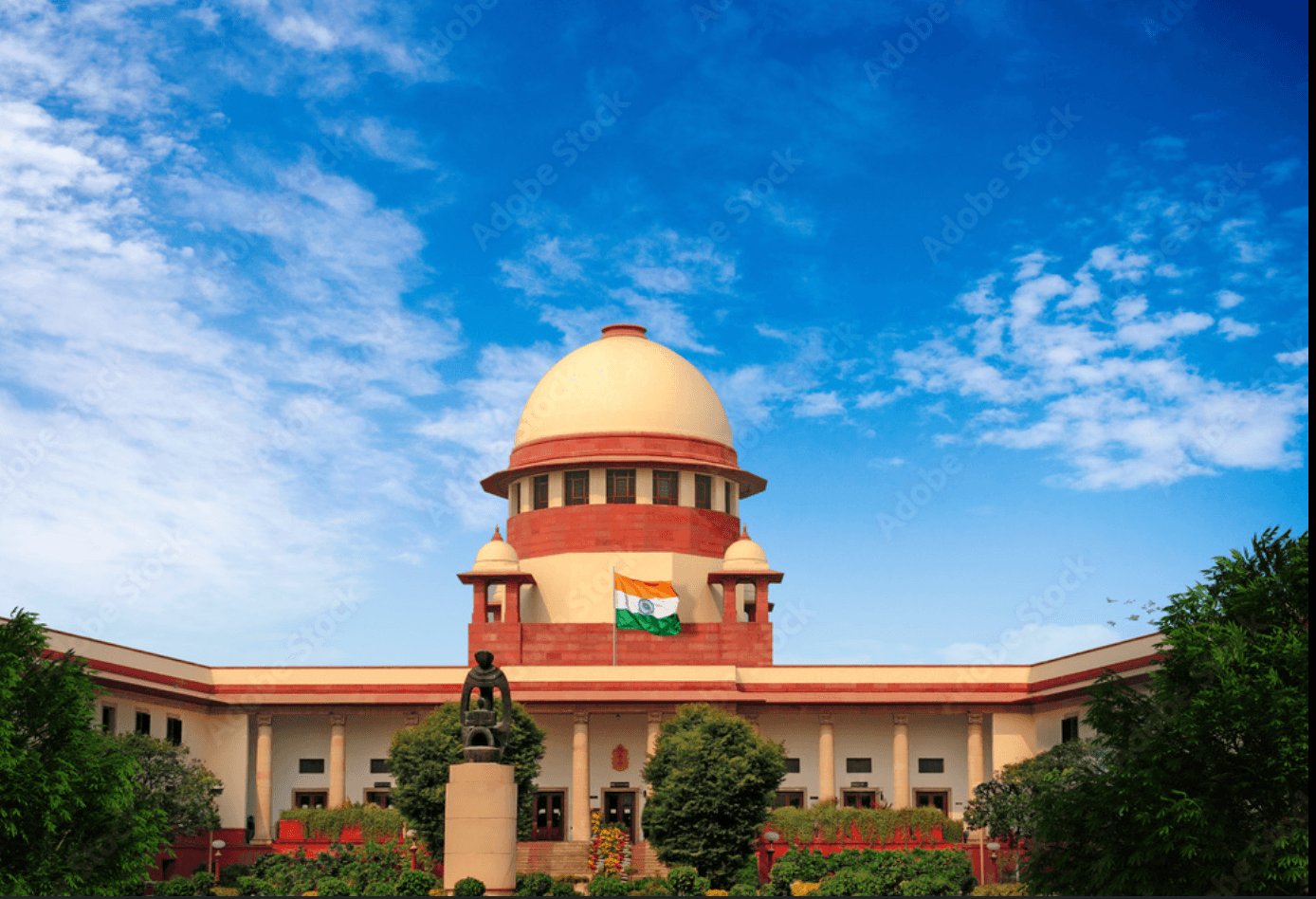
Background
The Supreme Court of India has introduced a revised set of administrative measures through a circular issued on May 15, 2026, following recent directions from the Department of Personnel and Training. The changes are aimed at streamlining court operations, encouraging digital proceedings, and promoting environmentally conscious practices.
Virtual Hearings
According to the circular, all cases listed on miscellaneous days—including Mondays and Fridays—as well as matters scheduled during the Court's partial working days, will be heard exclusively through video conferencing. The Registry has been directed to ensure that hearing links are shared promptly, video conferencing facilities remain reliable, and technical assistance is readily available.
Hybrid Work Policy
The Court has also introduced a work-from-home arrangement for Registry employees. Up to 50% of staff in each branch may work remotely for two days each week while maintaining uninterrupted judicial administration through weekly duty rosters.
Sustainability Measures
Judges have additionally agreed to encourage carpooling wherever feasible as part of the Court's environmental sustainability initiative. The circular further clarifies that hybrid work arrangements remain subject to administrative requirements and may be modified whenever necessary.
"Hybrid work arrangements and technology-driven hearings can enhance judicial efficiency while ensuring continuity of access to justice."
— Supreme Court Circular
Key Highlights
Virtual Hearings
Miscellaneous day matters and specified proceedings will now be conducted through video conferencing.
Hybrid Working
Registry employees may work remotely for up to two days a week subject to administrative requirements.
Carpooling Initiative
Judges have been encouraged to adopt carpooling to promote sustainability and reduce fuel consumption.
Administrative Flexibility
Authorities retain the power to withdraw hybrid arrangements whenever institutional requirements demand.
Legal Significance
The circular represents a significant administrative modernization of the Supreme Court by integrating digital hearings, flexible work arrangements, and sustainability initiatives while ensuring uninterrupted judicial functioning.
Case Details
Case
Administrative Circular of the Supreme Court of India
Court
Supreme Court of India
Bench
Supreme Court Administration
Decision Date
15 May 2026
This article is intended solely for informational purposes. Readers should refer to the official Supreme Court circular for complete administrative directions.