
Delhi High Court Rejects Bail Plea of Accused in 2008 Delhi Blasts Case, Cites National Security
The Delhi High Court has refused bail to an accused in the 2008 Delhi serial blasts case, holding that national security and the sovereignty of the country outweigh personal liberty where the two are in conflict.
Published on 8 July 2026 • 04:00 am
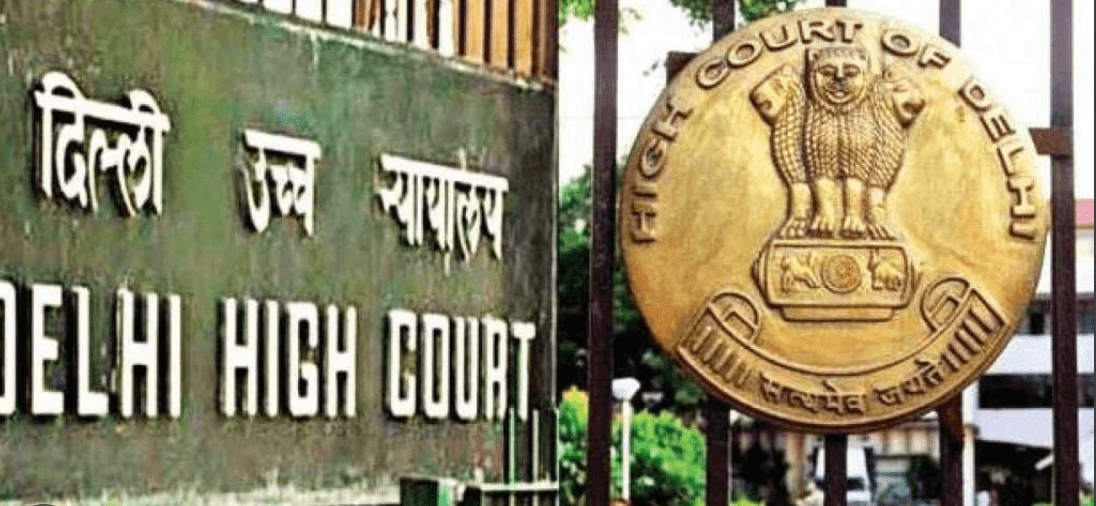
Background
The case concerns Mansoor Asghar Peerbhoy, an accused in the 2008 Delhi serial blasts that resulted in the deaths of 26 people and injuries to more than 130 others. The prosecution alleges that he played a significant role in facilitating the attacks through technical expertise and cyber operations.
Investigators claimed that an email claiming responsibility for the blasts was sent using an unsecured Wi-Fi network shortly before the explosions and that forensic evidence linked electronic devices recovered from the accused to the conspiracy.
Court's Analysis
A Division Bench comprising Justice Prathiba M. Singh and Justice Madhu Jain held that the allegations, the evidence placed on record and the statutory restrictions under the Unlawful Activities (Prevention) Act did not justify the grant of bail.
The Court observed that prolonged incarceration alone could not override statutory restrictions in terrorism-related prosecutions, particularly when the accusations appeared prima facie true.
National Security Considerations
The Bench distinguished the case from ordinary criminal prosecutions by emphasising the gravity of the alleged offences, the scale of loss of life and the appellant's alleged technical role within the banned organisation.
The Court also noted that the trial had reached its concluding stage and that releasing the accused at such a crucial juncture could adversely affect the proceedings.
Decision
The Delhi High Court dismissed the bail application and directed the Trial Court to complete the proceedings within the timeline prescribed by the Supreme Court.
"Where personal liberty conflicts with national security and the sovereignty of the nation, the latter must prevail."
— Delhi High Court
Key Takeaways
Bail Refused
The Court found that statutory restrictions under the UAPA continued to operate.
National Security
Security considerations outweighed the claim of prolonged incarceration.
Prima Facie Evidence
Electronic and forensic material was sufficient at the bail stage.
Trial Near Completion
The Court considered the advanced stage of the trial while refusing bail.
Legal Significance
The decision reiterates that in prosecutions involving terrorism, courts must carefully balance individual liberty against national security while applying the statutory restrictions contained in the UAPA.
Case Details
Case
Mansoor Asghar Peerbhoy v. State (Government of NCT of Delhi)
Court
Delhi High Court
Bench
Justice Prathiba M. Singh & Justice Madhu Jain
Date
7 July 2026
This article provides an editorial summary of the Delhi High Court's decision and is intended solely for informational purposes.